


Introduction
Cartilage is a crucial tissue that helps our joints move smoothly and without pain, allowing us to stay active and flexible. When cartilage becomes damaged, it can cause pain, stiffness, and reduce mobility. Unfortunately, cartilage injuries are common and especially difficult to heal because this tissue has a very limited natural repair ability. This article explains why innovative treatments like ChondroFiller are becoming more important. We’ll explore the biological challenges of cartilage repair and how these advanced therapies offer new hope for lasting joint health.
The Unique Challenges of Cartilage Damage
Unlike many tissues in the body, cartilage lacks its own blood supply. This means essential nutrients and healing cells cannot easily reach damaged areas, making repair slow and often incomplete. As a result, cartilage is very vulnerable to wear and tear over time.
Minor injuries like ankle sprains or repeated stress can lead to ongoing pain because the damaged cartilage struggles to regenerate fully. This explains why cartilage injuries are often persistent and why simple remedies like rest or painkillers may not be enough relief. In fact, managing cartilage defects, especially in joints like the hip, can be particularly challenging (Perez-Carro et al., 2021).
Why Conventional Treatments Often Fall Short
Common treatments for cartilage damage include rest, pain relief, physiotherapy, and sometimes surgery. While these can reduce discomfort and help improve joint movement temporarily, they often don’t fix the actual cartilage damage.
Many patients find recovery slow and may continue to experience pain, which can be frustrating. These challenges highlight the need for treatments that actually support healing and regeneration of cartilage, instead of just managing symptoms.
Free non-medical discussion
Not sure what to do next?
Information only · No medical advice or diagnosis.
ChondroFiller: Regenerative Medicine for Real-World Problems
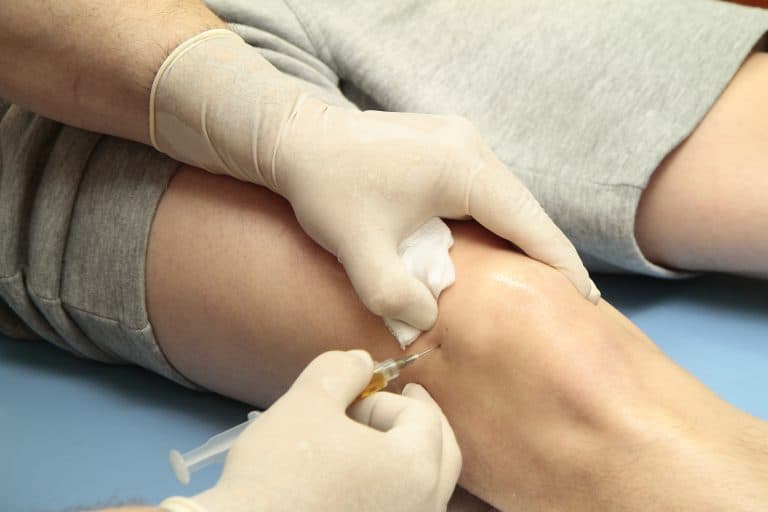
ChondroFiller is a cutting-edge treatment that supports the regrowth of cartilage directly inside the joint. Unlike approaches that simply mask pain, ChondroFiller creates the ideal environment for the body’s own cartilage cells to repair and regenerate more effectively.
Recent studies describe ChondroFiller as "a liquid cell-free collagen matrix, for the treatment of symptomatic full-thickness chondral defects of the hip in a one-step arthroscopic procedure" (Perez-Carro et al., 2021). Another study found that "about 80% of patients reported good or very good results and said they would have the operation again" when treated with ChondroFiller for cartilage injuries (Breil-Wirth et al., 2016). Moreover, its benefits are not limited to large joints: for patients suffering hand osteoarthritis, "improvements in pain were accompanied by increased strength in grip and pinch movements" after using ChondroFiller (Corain et al., 2023).
For example, individuals with persistent ankle pain following repeated sprains have seen encouraging results with ChondroFiller, experiencing better healing where conventional treatments struggled. This regenerative approach aims for long-lasting joint health and improved joint function, rather than just short-term symptom relief.

The Importance of Expertise and Environment in Cartilage Treatment
Advanced treatments like ChondroFiller require skilled, knowledgeable care. Professor Paul Lee, a respected Cartilage Expert and Regional Surgical Ambassador at the Royal College of Surgeons of Edinburgh, has extensive experience in orthopaedics and rehabilitation.
The London Cartilage Clinic, where Professor Lee practices, is dedicated to providing professional, supportive care that guides patients through their recovery journey. Expert guidance and a caring environment are crucial for achieving the best results with modern cartilage repair therapies.
Conclusion and Responsible Guidance
Because cartilage repairs itself poorly, damaged cartilage often causes long-term problems. ChondroFiller tackles this by promoting genuine cartilage regeneration, representing an exciting advance in joint care through regenerative medicine. As one study summed up, "Chondrofiller Liquid is shown to be a safe procedure which was able to provide satisfactory results" (Breil-Wirth et al., 2016).
For those struggling with joint pain or cartilage injuries, such treatments offer real hope for better recovery and improved quality of life. However, it’s always important to seek personalised advice from a qualified healthcare professional to find the best treatment for your individual needs.
References
- Perez-Carro, L., Rosi Mendoza Alejo, P., Gutierrez Castanedo, G., Menendez Solana, G., Fernandez Divar, J. A., Galindo Rubin, P., & Alfonso Fernandez, A. (2021). Hip chondral defects: Arthroscopic treatment with the needle and curette technique and ChondroFiller. Arthroscopy Techniques, 10(4), e1003–e1012. https://doi.org/10.1016/j.eats.2021.03.011
- Breil-Wirth, A., von Engelhardt, L., Lobner, S., & Jerosch, J. (2016). Retrospective study of cell-free collagen matrix for cartilage repair. Orthopädie und Unfallchirurgie – Mitteilungen und Nachrichten, 2016, 515–520. https://doi.org/10.3238/oup.2016.0515-0520
- Corain, M., Zanotti, F., Giardini, M., Gasperotti, L., Invernizzi, E., Biasi, V., & Lavagnolo, U. (2023). The use of an acellular collagen matrix ChondroFiller® Liquid for trapeziometacarpal osteoarthritis. Cartilage. https://doi.org/10.1177/19476035251354926
Frequently Asked Questions
- Cartilage has a very limited natural repair ability because it lacks its own blood supply. This makes healing particularly slow and incomplete and explains why joint pain or stiffness often remains after injury, even with rest or painkillers.
- ChondroFiller goes beyond symptom relief by supporting the actual regrowth of cartilage inside the joint. It creates an environment for the body’s cells to regenerate cartilage, aiming for longer-term joint health rather than simply masking pain as many traditional treatments do.
- London Cartilage Clinic provides expert-led care in a supportive environment. With advanced therapies like ChondroFiller, the clinic is dedicated to guiding patients through recovery using the latest regenerative techniques and personalised rehabilitation plans for the best outcomes.
- Professor Paul Lee is a distinguished Cartilage Expert, Regional Surgical Ambassador, and Advisor at the Royal College of Surgeons of Edinburgh. His extensive experience in orthopaedic surgery and rehabilitation ensures patients receive care informed by the latest advancements in cartilage treatment.
- Anyone struggling with persistent joint pain or cartilage injuries can benefit from the clinic’s expertise. With Professor Lee’s experience, the clinic tailors advanced treatments like ChondroFiller to each patient’s needs, offering hope for improved recovery and a better quality of life.
Legal & Medical Disclaimer
This article is written by an independent contributor and reflects their own views and experience, not necessarily those of London Cartilage Clinic. It is provided for general information and education only and does not constitute medical advice, diagnosis, or treatment.
Always seek personalised advice from a qualified healthcare professional before making decisions about your health. London Cartilage Clinic accepts no responsibility for errors, omissions, third-party content, or any loss, damage, or injury arising from reliance on this material.
If you believe this article contains inaccurate or infringing content, please contact us at [email protected].
London Cartilage Clinic
Ready to explore your options?
Our consultant-led team specialises in cartilage repair, regeneration and replacement — tailored to your diagnosis and long-term goals.
Will the Arthrosamid work for me
PAAG-8+ Questionnaire
A bright, structured entry point for patients exploring Arthrosamid. The questionnaire helps frame suitability, expectations, and 24-month clinical benefit discussion before a fuller consultant-led review.
Designed for shared decision-making. It does not replace specialist consultation, examination, imaging review, or formal medical advice.